A research article on Synecoculture and Augmented Ecosystems has been published.
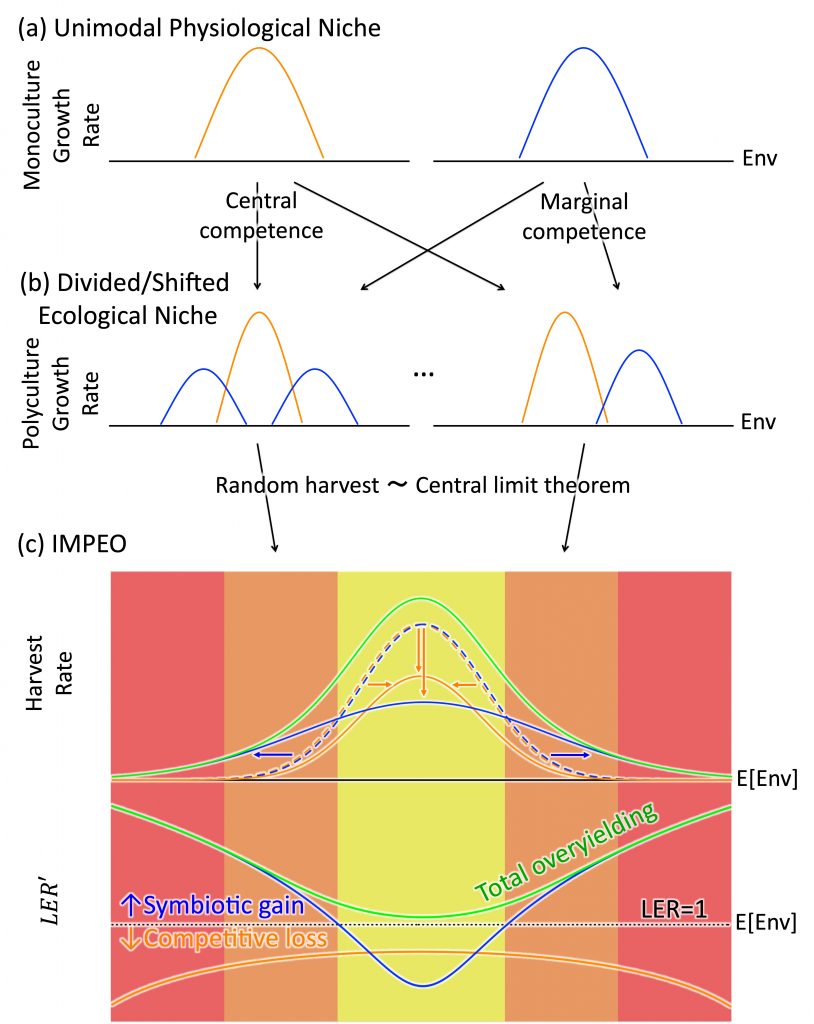

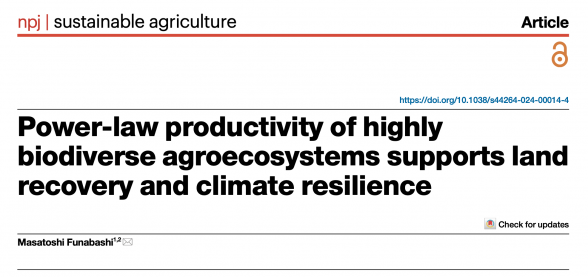
A research article on Synecoculture and Augmented Ecosystems has been published.
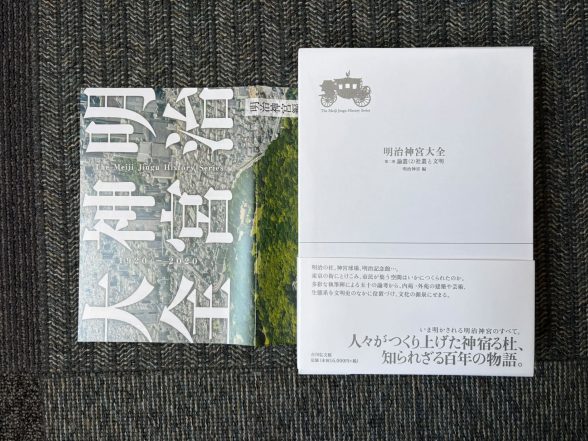
明治神宮大全vol.2に、舩橋真俊が以下の章を寄稿しました。
第7章 拡張生態系として観る明治神宮内苑の森 ―八百万の命と共に、千代を生き、万邦に開かれた神籬―
The Meiji Jingu Inner Precinct Forest as an Augmented Ecosystem
—A Sacred Forest Living through the Ages with Myriad Lives, Open to All Peoples—

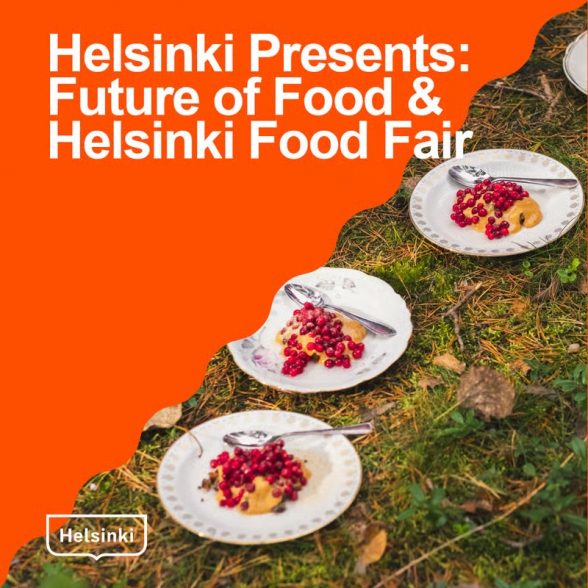
On Friday, 16 October 2026, Masatoshi Funabashi participated as a panellist in “Urban Food Systems for the Future,” held at Tokyo Innovation Base.
The panel discussed how urban food production can contribute to more resilient and sustainable cities, bringing together perspectives on agriculture, technology, ecology and urban development.
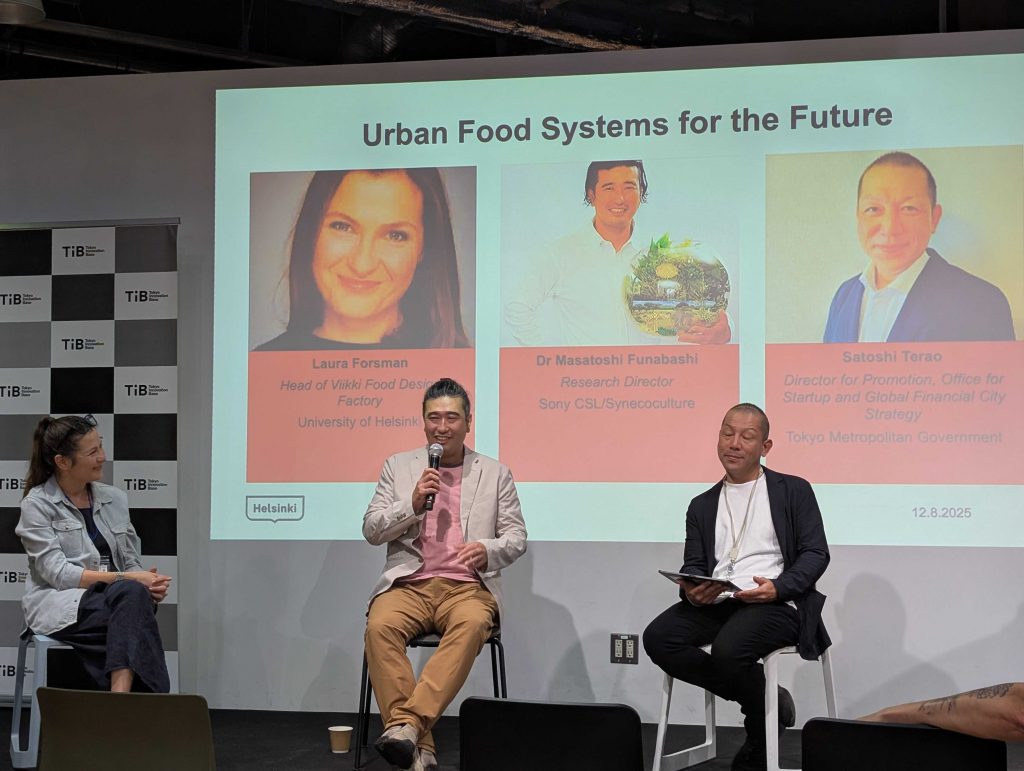
Funabashi introduced work on Synecoculture and Human Augmentation of Ecosystems, highlighting how highly diverse vegetation can be used not only for food production, but also to enhance biodiversity, regulate microclimates, regenerate soils and create new interactions between people and living systems.
He also presented examples of Synecoculture in urban environments, including rooftop and other spatially constrained sites. Such environments provide useful testbeds for exploring how ecological self-organisation and human management can be combined to create productive augmented ecosystems within cities.
A central theme of the discussion was whether urban food systems can be designed as multifunctional infrastructure: producing food while simultaneously contributing to biodiversity, climate resilience, health and the quality of urban environments.
For the Human Augmentation of Ecosystems project, this perspective opens a pathway towards integrating urban agriculture with broader research on green infrastructure, ecosystem services and the future design of cities.
Urban Food Systems for the Future
Tokyo Innovation Base
Friday, 16 October 2026
https://luma.com/y70ox2nl
Synecoculture and Augmented Ecosystems – Sony CSL
https://www.sonycsl.co.jp/en/worldviews/synecoculture-and-augmented-ecosystems/
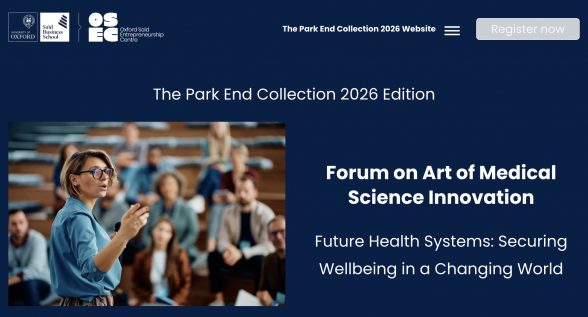
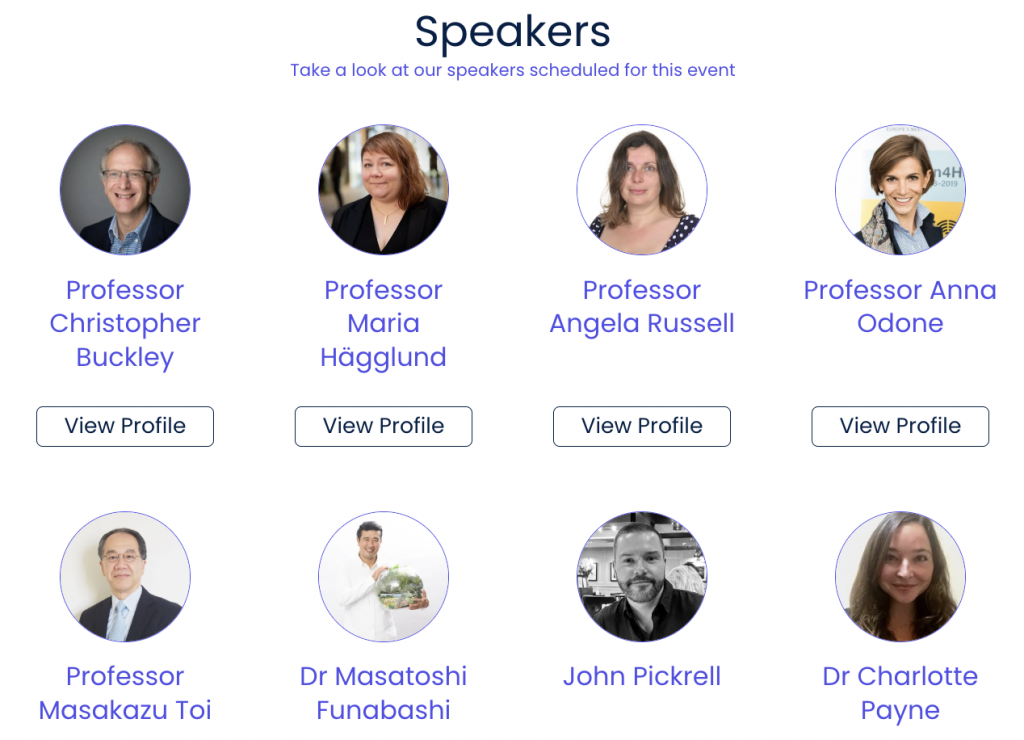
On 13 October 2026, Masatoshi Funabashi gave a keynote presentation at Future Health Systems: Securing Wellbeing in a Changing World, an international symposium held at Saïd Business School, University of Oxford, in collaboration with Nature Partnerships.
The symposium brought together researchers and clinicians working across different scales of healthcare, from biological tissues and regenerative medicine to public health, social systems and the environment. It formed part of the Park End Collection 2026 Edition, a collaboration between the Oxford Saïd Entrepreneurship Centre and The Mila that brings together perspectives across science, innovation, entrepreneurship and society.
Funabashi’s keynote, “From Treating Disease to Generating Health Across Scales: An Open Complex Systems Perspective,” explored how healthcare can be reconsidered through the relationship between figure and ground.
Modern medicine has developed increasingly sophisticated ways of identifying and treating the visible “figure” of disease — pathogens, tumours, injuries and symptoms. Yet these phenomena emerge within a wider “ground”: immune systems, tissue microenvironments, lifestyles, social structures, food systems and ecosystems.
From an open complex systems perspective, the relevant boundary of this ground expands wherever significant interactions occur. This connects clinical medicine with One Health and Planetary Health, and raises a further question: rather than only treating disease after it emerges, can human activity actively create environments that generate and sustain health?
Drawing on research and implementation of Synecoculture and Human Augmentation of Ecosystems, the presentation introduced examples ranging from biodiversity-rich agroecosystems in sub-Saharan Africa to augmented urban ecosystems in Tokyo. These studies suggest that ecological organisation can simultaneously affect biodiversity, food production, microclimates, microbial environments, nutrition and human wellbeing.
The keynote proposed extending conventional concepts of health towards Generative and Augmented Health — the capacity of interconnected human, social and ecological systems to generate and sustain the conditions for wellbeing across scales.
This perspective positions augmented ecosystems not only as tools for biodiversity conservation or environmental restoration, but as a possible form of preventive and regenerative infrastructure linking ecosystem health, human health and social sustainability.
The symposium featured six expert talks and a panel discussion moderated by John Pickrell of Nature Custom Media, bringing together perspectives from cancer research, regenerative medicine, public health, digital health and complex systems. The discussions highlighted the potential for future healthcare systems to move beyond reactive treatment towards more preventive, adaptive and sustainable approaches.
Future Health Systems: Securing Wellbeing in a Changing World
Saïd Business School, University of Oxford
13 October 2026
Categories: Conference, Synecoculture, Planetary Health, Augmented Ecosystems
Sony Group has featured Synecoculture™ and Augmented Ecosystems in its latest overview of biodiversity initiatives, updated on September 18, 2026.
Under the section “Augmenting Ecosystems and Raising Awareness through Synecoculture™,” Sony positions Synecoculture as one of its approaches to the restoration, creation, and conservation of biodiversity. The report highlights its growing implementation across research, business, education, and employee engagement.
In China, Synecoculture gardens were established at elementary schools in Zhejiang and Yunnan provinces in 2025 to support biodiversity education. Vegetables harvested from the Suzhou Farm, the world’s first Synecoculture-certified farm, have also been supplied to Sony’s Shanghai employee cafeteria: more than 575 kg of produce comprising over 30 vegetable varieties were provided. The Synecoculture initiatives in China also received the ESG Outstanding Project Award at Bloomberg Green Gold 2026.
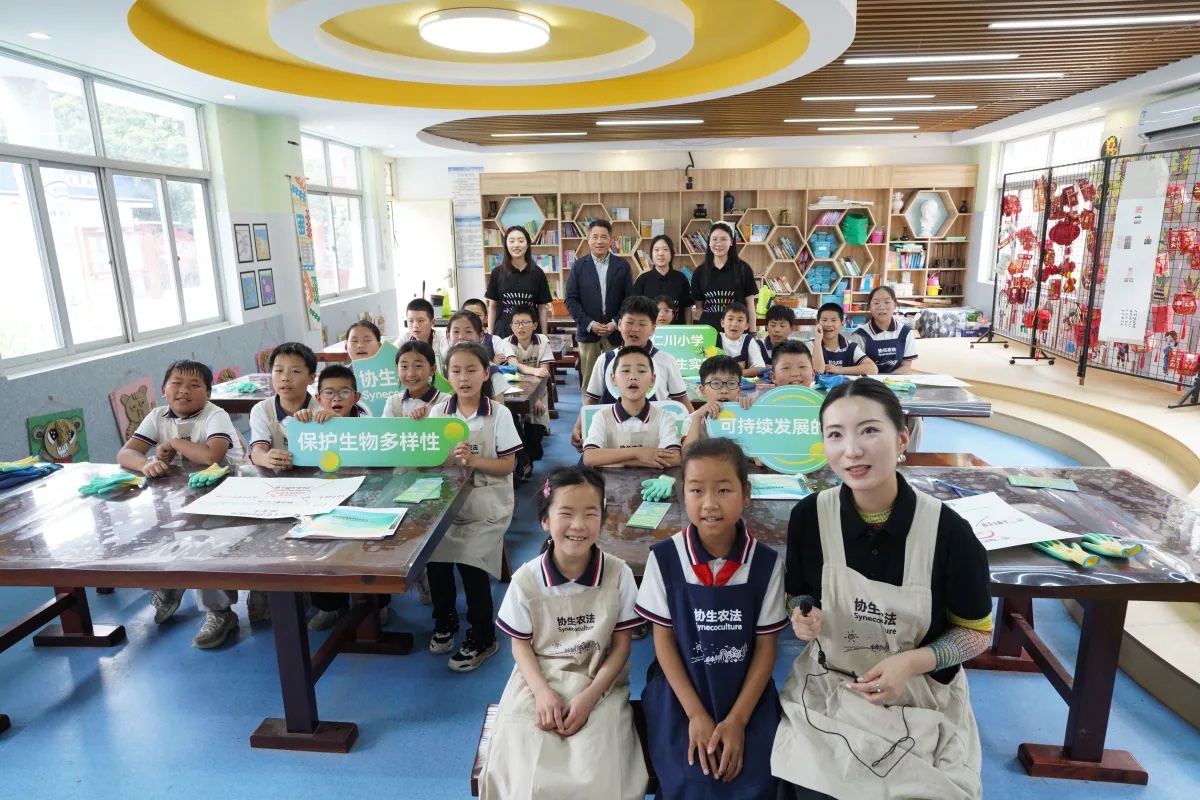
In Japan, Sony/Taiyo has developed a Synecoculture farm with support from SynecO since fiscal year 2022. More than 210 plant species have been introduced, with harvested vegetables served in the employee cafeteria. Activities were further expanded in fiscal year 2025 to include employee participation in seed sowing, herb harvesting, and herbal tea tasting.
The report also introduces Synecoculture and Augmented Ecosystems as enabling technologies, extending their application beyond agriculture to ecosystem restoration and urban green-space design. It refers to ongoing initiatives in Senegal and Cameroon, forest regeneration in West Sumatra, and the Green Pool augmented ecosystem at Azabudai Hills in Tokyo.
These developments illustrate the transition of Synecoculture from scientific research toward broader social implementation—connecting biodiversity enhancement with food production, education, business activities, and the creation of augmented ecosystems.
More information:
Sony Group – Biodiversity Initiatives
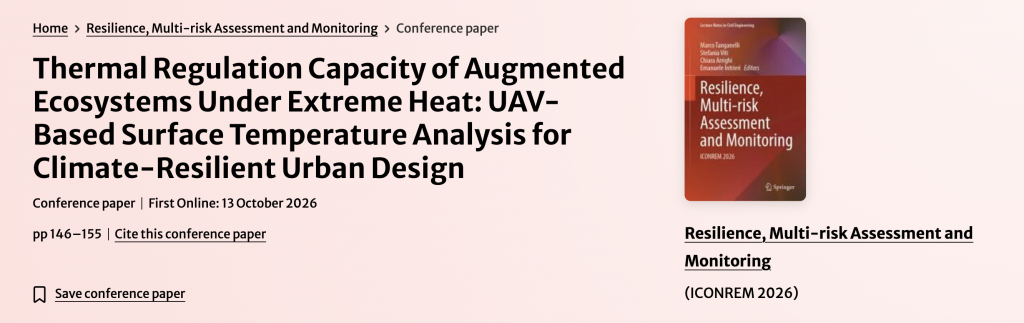
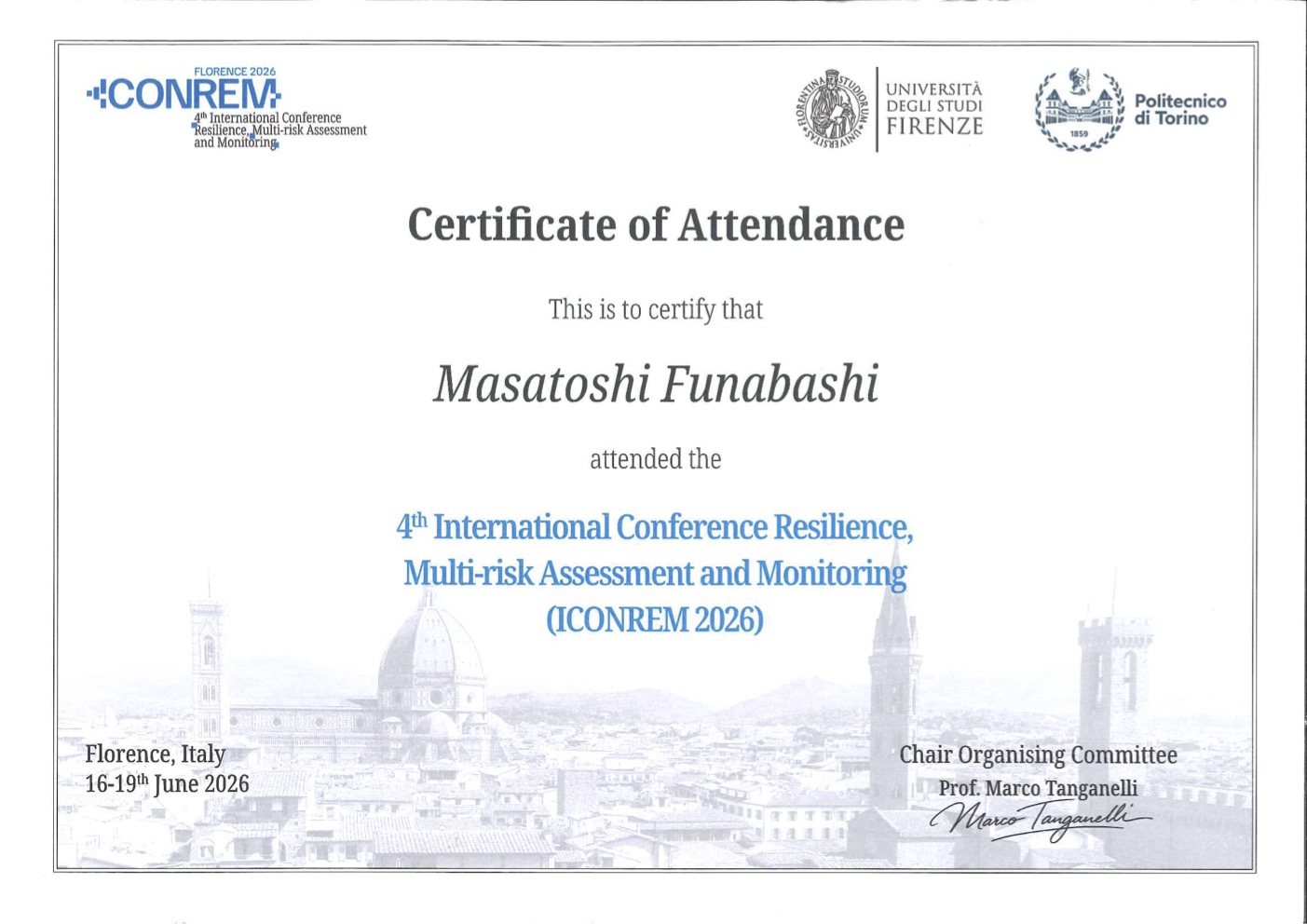
Shuntaro Aotake presented the following paper at the 4th International Conference on Resilience, Multi-risk, and Structural Monitoring (ICONREM2026), which was held in Florence, Italy, from June 16 to 19.
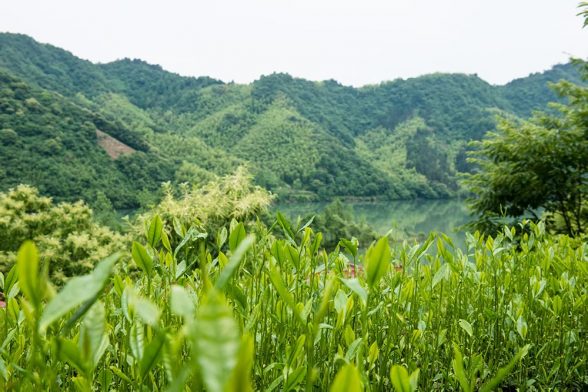
A major milestone has been reached in the global development of Synecoculture. On June 17, 2026, Sony China announced the launch of the world’s first commercial tea product cultivated under Synecoculture principles, marking a significant step in bringing biodiversity-centered agriculture from research into real-world markets.
The new tea product is the result of a collaborative effort among Sony China, Sony Computer Science Laboratories, and SynecO. It was cultivated in Lu’an, one of China’s renowned tea-producing regions, and represents the first commercial realization of years of research, field demonstrations, and ecosystem-based agricultural innovation.

The launch also reflects Sony China’s long-term commitment to sustainability. Over the past several years, Sony China has promoted Synecoculture through educational activities, demonstration farms, and internal biodiversity initiatives, helping to build awareness of ecosystem restoration and regenerative food systems throughout China.
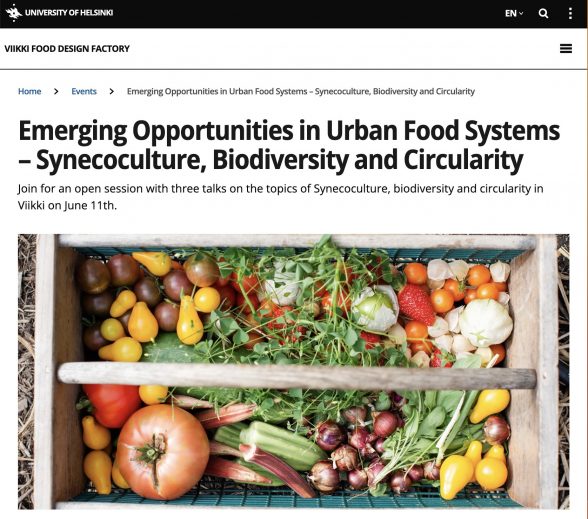
Masatoshi Funabashi visited the University of Helsinki and its Viikki Campus to exchange ideas and explore future opportunities in sustainable food systems, biodiversity, circularity, and digital agriculture.
The visit concluded with an open session entitled “Emerging Opportunities in Urban Food Systems – Synecoculture, Biodiversity and Circularity,” attended by researchers, professors, students, and university leaders. The session featured presentations and dialogue among Masatoshi Funabashi, Laura Forsman, Lead of the Viikki Food Design Factory, and Johan Jorgensen, founder of Sweden Foodtech, exploring how biodiversity-rich agricultural systems and augmented ecosystems can contribute to resilient and regenerative urban food systems.

We are pleased to share that Flat Earth Food: A Copernican Shift in How We Grow, Eat and Heal, the new book by Johan Jörgensen, has been published.
Drawing on insights from ecology, soil science, nutrition, immunology, economics, and systems thinking, Flat Earth Food argues that many of today’s most pressing challenges—from chronic disease and biodiversity loss to environmental degradation and economic inequality—are not separate problems, but interconnected manifestations of a deeper systemic imbalance.
The book challenges what Johan describes as a “Flat Earth” worldview: a tendency to simplify and separate phenomena that are, in reality, deeply connected. In its place, he proposes a more integrated understanding of food systems, health, ecosystems, and society, revealing how the relationships between them shape both human and planetary wellbeing.
Among the examples featured in the book is Synecoculture, a biodiversity-centered approach to agriculture that seeks to work with ecological complexity rather than reduce it. The book highlights how biodiversity, productivity, public health, and ecosystem health can be understood as mutually reinforcing dimensions of a single living system.
More broadly, Flat Earth Food invites readers to rethink the foundations of modern food systems and to explore what a truly regenerative and health-promoting future might look like.
For researchers, practitioners, policymakers, entrepreneurs, and anyone interested in the future of food, health, and sustainability, this book offers a compelling and thought-provoking perspective on one of the defining challenges of our time.
Learn more at: https://flatearthfood.com/

Ryota Sakayama made an online presentation of the following paper at the 12th International Conference on Information and Communication Technologies for Ageing Well and e-Health (ICT4AWE2026), which was held at Benidorm, Spain, on 20-22 May 2026.
The following article has been published: