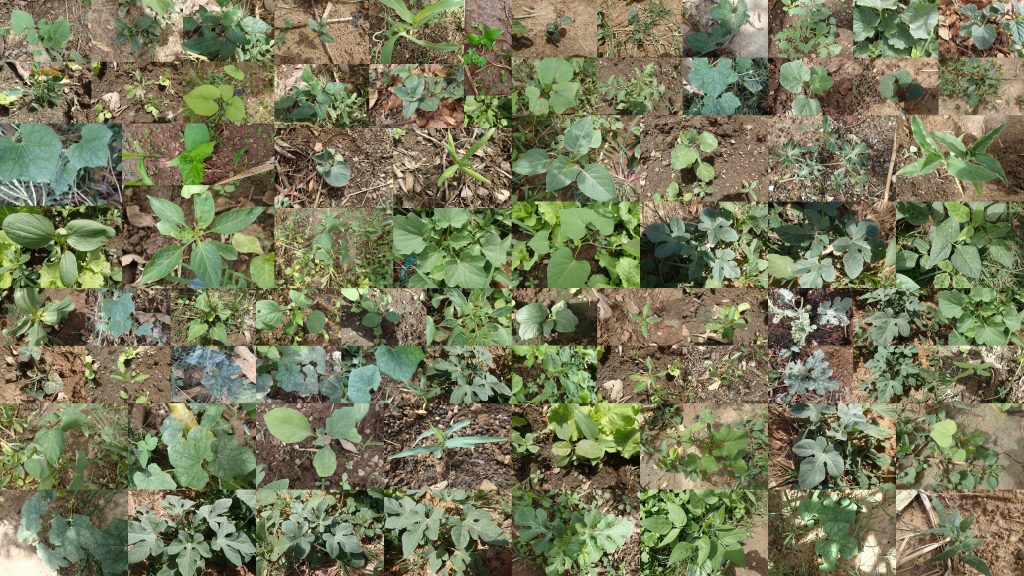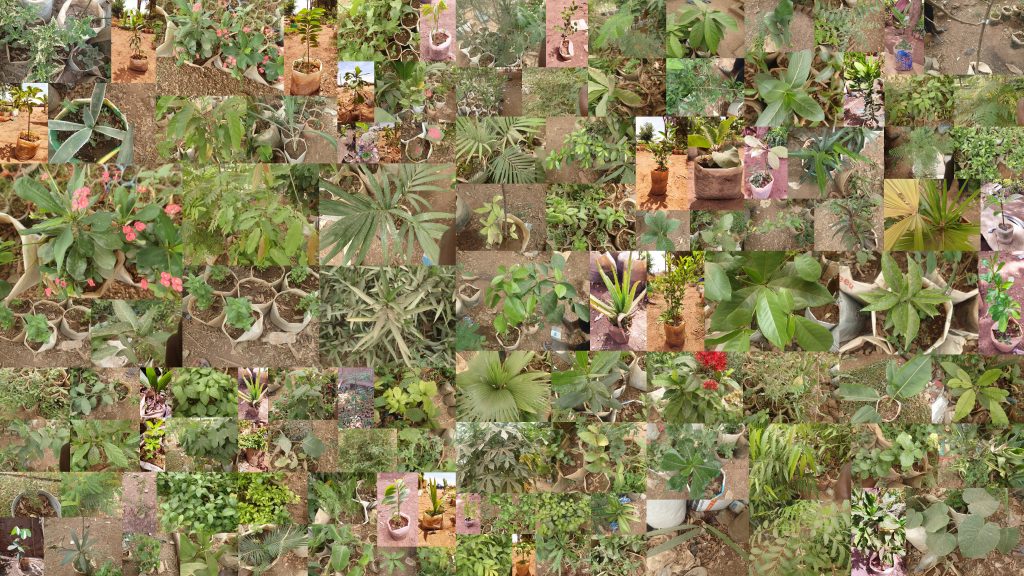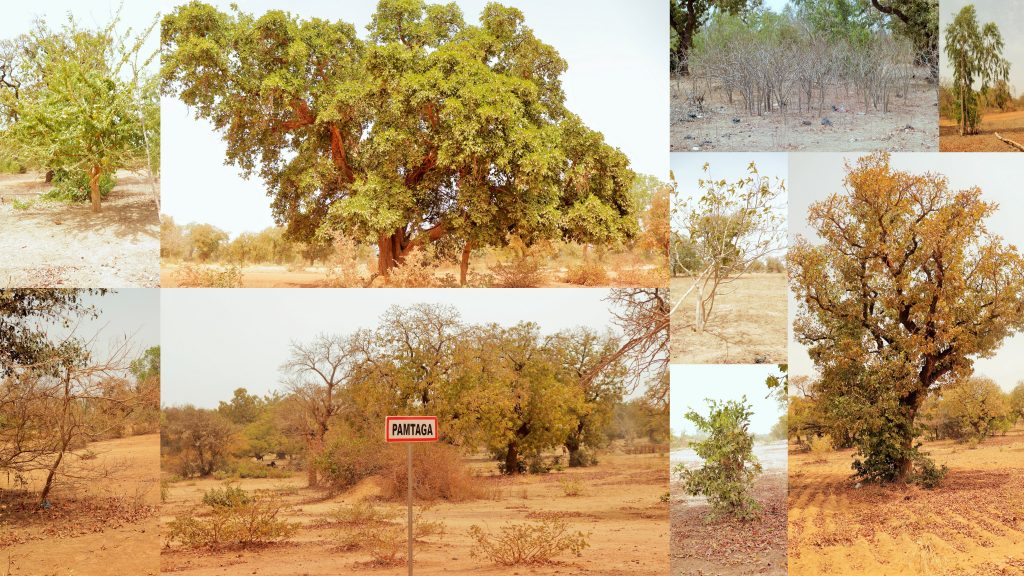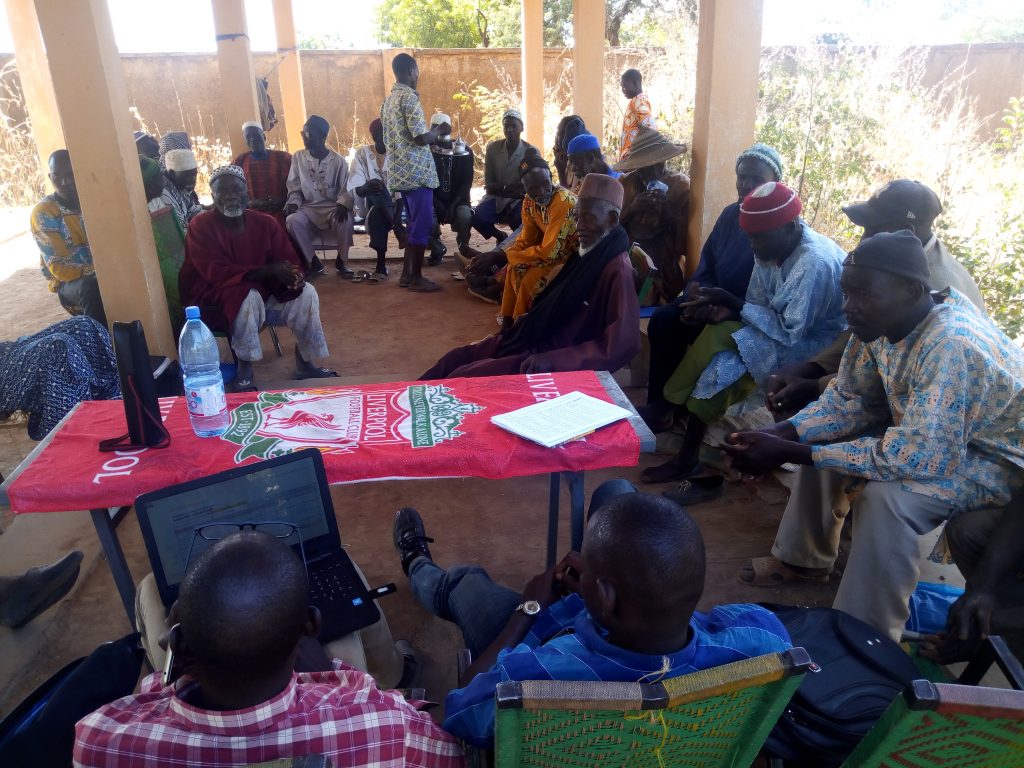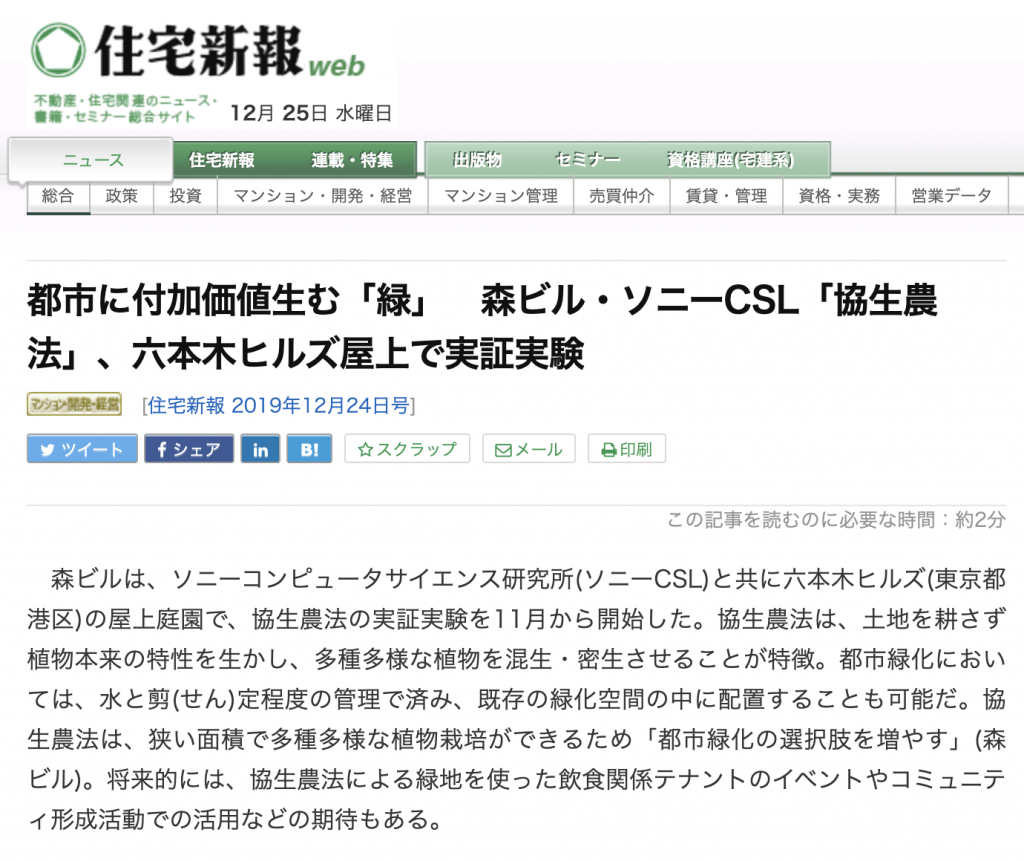
舩橋真俊が、2019/11/14-15に開催された Kick-OFF symposium launching of UC Davis-Osaka U collaborative projects と Conference “Harnessing the Power of Biotechnology for Human and Planetary Health” にて招待講演(Special Lecture)を行いました。
From
Japanese original experiences to African contexts:
two
projects for sustainable agriculture and society
Masatoshi
FUNABASHI*, Makoto GODA** and Shun SATO**
*
Sony Computer Science Laboratories, Inc., Tokyo, Japan
**Nippon
Biodiesel Fuel Co., Ltd., Tokyo, Japan / Agro-Negocio para o Desenvolvimento de
Mocambique Lda., Maputo, Mozambique
Keywords:
Synecoculture, Virtual Farmers Market
0.
Introduction
In this presentation, two ongoing projects
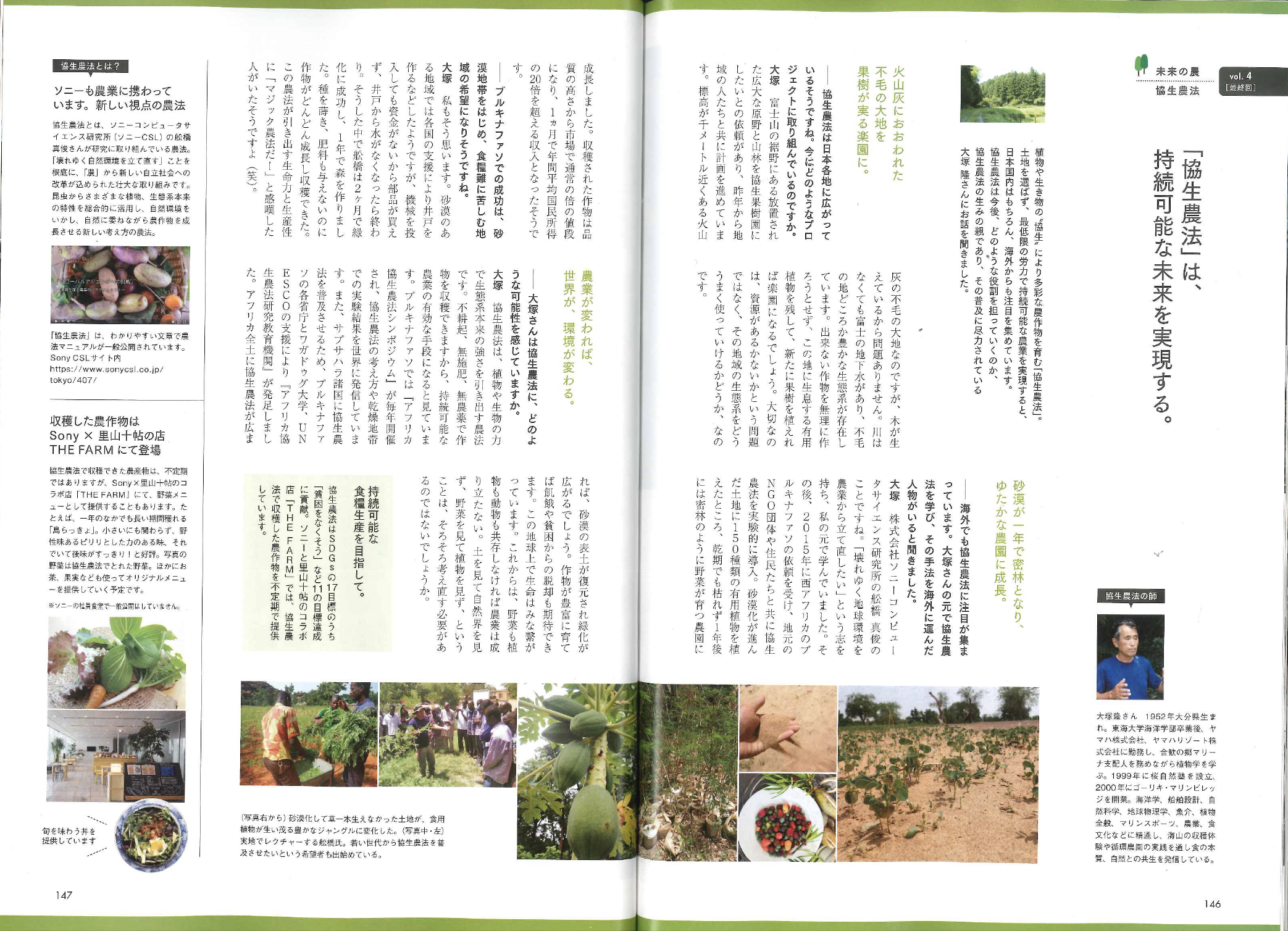
are introduced by their Japanese implementers. One is Synecoculture project and
the other is Virtual Farmers’ Market (VFM) project. The former is mainly
related to cultivation phase and the latter is related to distribution phase. Although
these two projects are originally independent, both of two aims to sustainable
agriculture and society.
1.
The challenge and achievement of Synecoculture (by FUNABASHI)
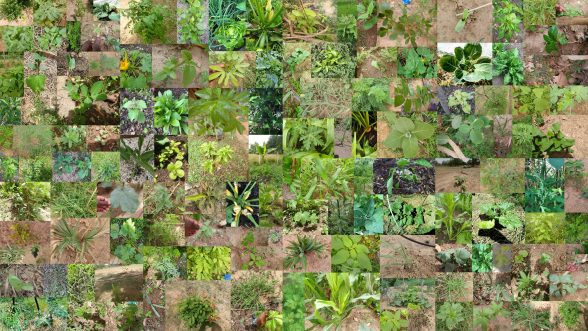
In this talk, I will present the concept,
challenge, and achievement of Synecoculture project that has been developed to
overcome global agenda such as food security for growing population and
associated massive biodiversity loss, which is difficult to resolve with
conventional monoculture-intensive methods of agriculture.
Based on the field experiments in Japan and
sub-Saharan Africa, we derive important factors that should be included in the
new food safety strategy for increased human and ecosystem health, especially
for African countries that are facing drastic climate and demographic changes.
Links between scientific facts, essential
supportive technologies, and political challenges will be addressed from the
viewpoint that advocates the conversion to sustainable society during the next
few decades, critically before the middle of this century.
To better understand this presentation, please consult
the following articles for the basic knowledge of Synecoculture:
2.
Virtual Farmers’ Market and Virtual Farmers’ Association (by SATO)
[Objectives]
The main objectives of this presentation
are to clarify the concept and history of Virtual Farmers’ Market (VFM) which
is currently promoted by UN World Food Program (WFP) and to discuss the future
possibilities of VFM in the broader context of sustainable development and
cooperatives.
[Methods]
The study is conducted with two approaches:
1) Basic survey – mainly on the internet resources; 2) Action research – the
authors of this study are private company managers in Japan and Mozambique, so
that their ongoing VFM project are described by themselves.
[Results
and Discussion]
VFM is “an app-based e-commerce
platform where farmers’ surplus and buyers’ demand for crops are advertised and
traded” (WFP 2018). VFM is aimed to enhance the livelihood of Small Holder
Farmers (SHF) via market access and fair prices. WFP launched the first pilot
project in Zambia in 2016 and smartphone application for Android OS was
developed and named MAANO.
Meanwhile, NBF/ADM, which is a private
company in Japan/Mozambique, is starting VFM project which is firstly launched
in Nampula province. NBF/ADM has a vision of connecting VFM to VFA (Virtual
Farmers’ Association) and NCF (New Credit for Farmers), which is based on
Japanese history and experience of agricultural cooperatives from NINOMIYA
Sontoku (1787-1856), OHARA Yugaku (1797-1858), to JA (1972-) and the previous
works using ICT in some nonelectrified rural areas in Mozambique (GODA 2019).
[Conclusion]
This year, UN decade of family farming
started because it offers unique opportunities for sustainable development in
economic, social and ecological aspects. VFM, VFA and NCF are expected to be
able to empower these movement in the digital age.
This article contains the theoretical foundation and the results of the proof of concept experiments that are essential to establish a novel developmental and legislative framework for the sustainable use of plant genetic resources, overarching the protection of the natural environment and agricultural production mainstreaming biodiversity.
The “Synecoculture Principles Learning Kit“, a first-hand experience kit developed to help people learn the mechanisms of Synecoculture, was released from Sony CSL.