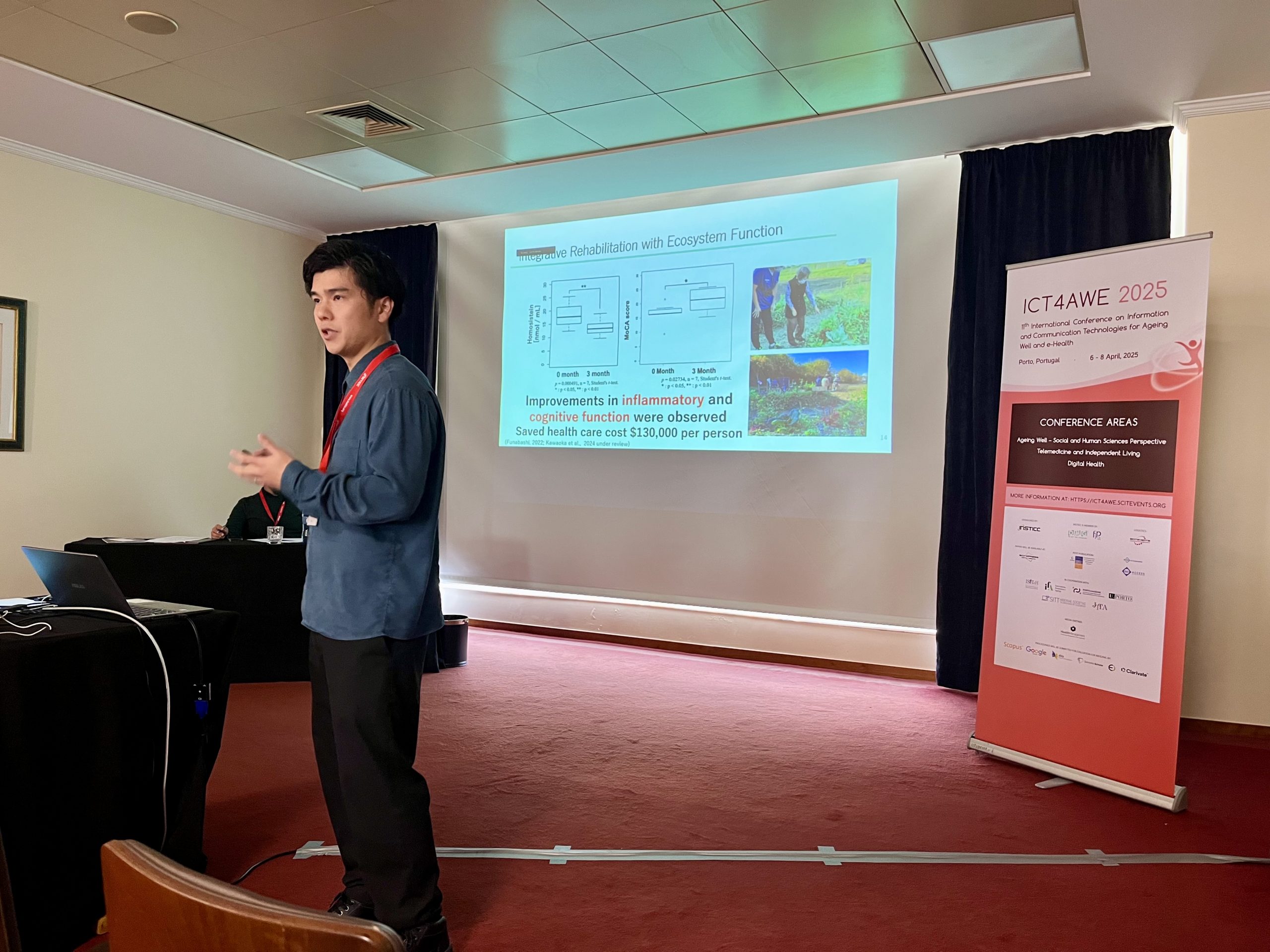
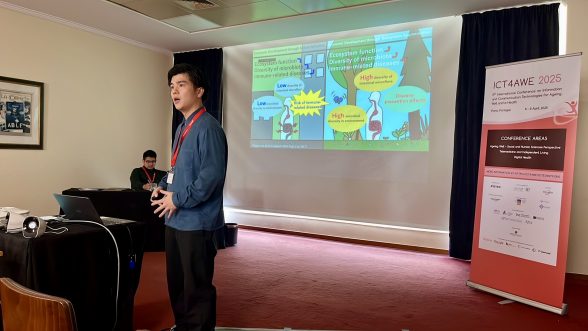
Masa Funabashi presented about Synecoculture at Sustainable City Summit VOL III held at United Nations University, Tokyo on May 10th 2025.
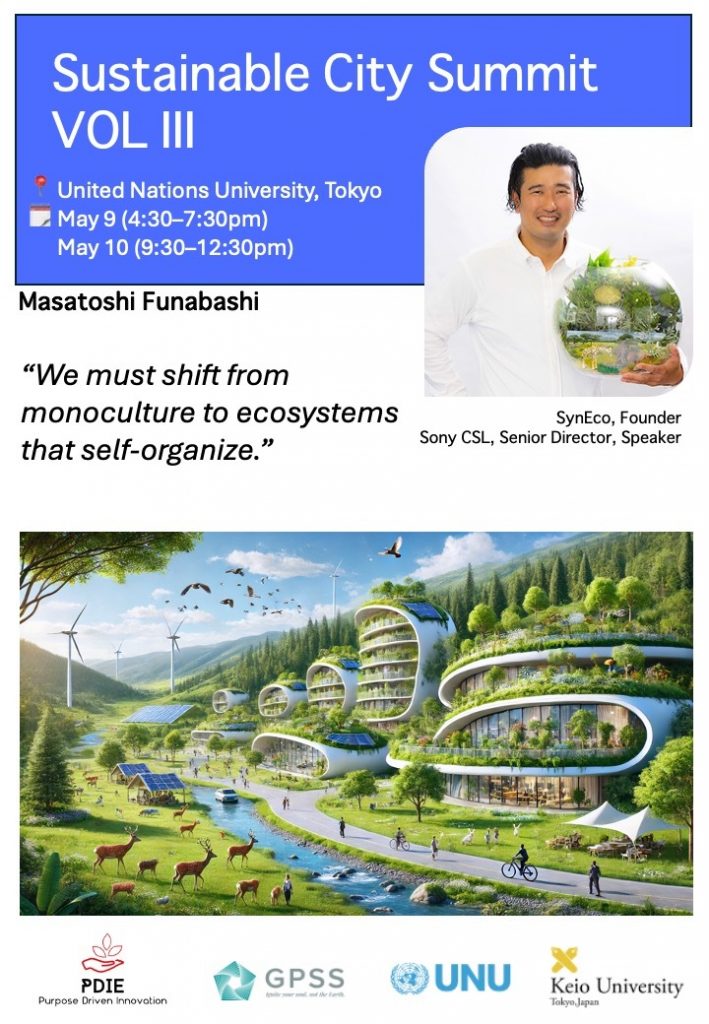

Masa Funabashi presented about Synecoculture at Sustainable City Summit VOL III held at United Nations University, Tokyo on May 10th 2025.
The world’s first Ph.D. thesis on Synecoculture is now available online:
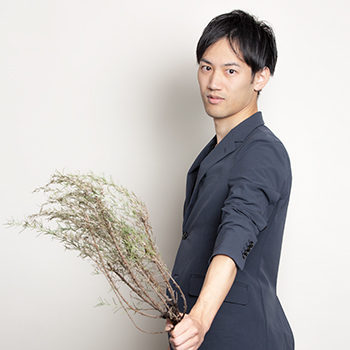
Kousaku OHTA “Research on Synecoculture: Focusing on products and soils from a system-level perspective.” doctoral thesis, Department of Global Agricultural Sciences, Graduate School of Agricultural and Life Sciences, The University of Tokyo (2023)
Abstract
Chapter.1 Introduction
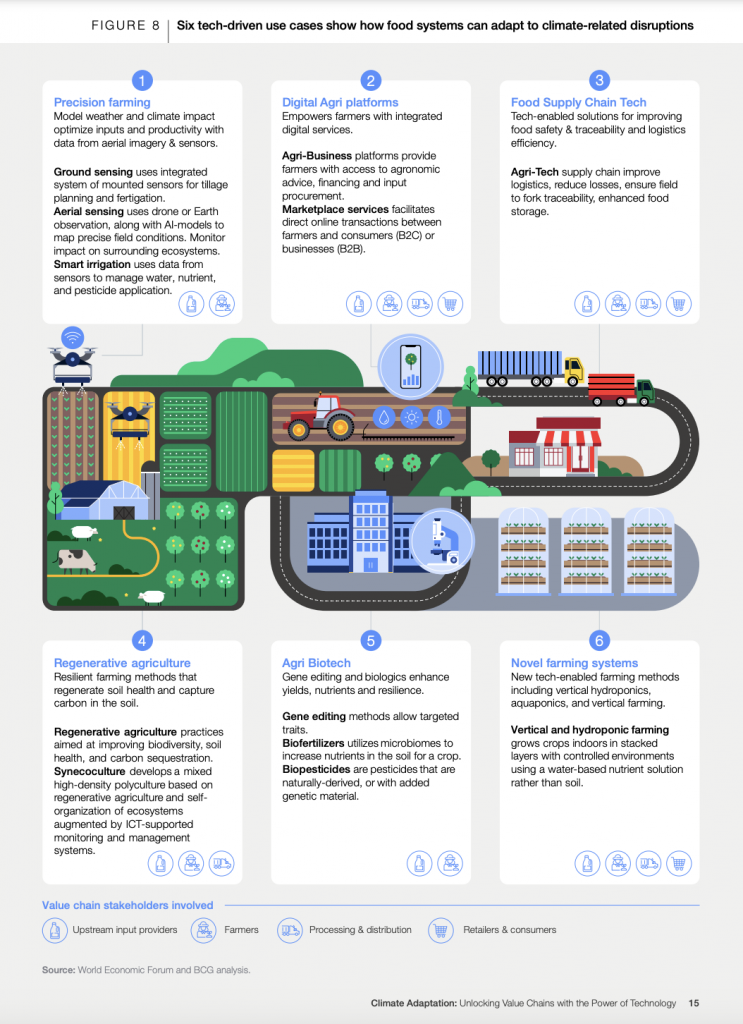
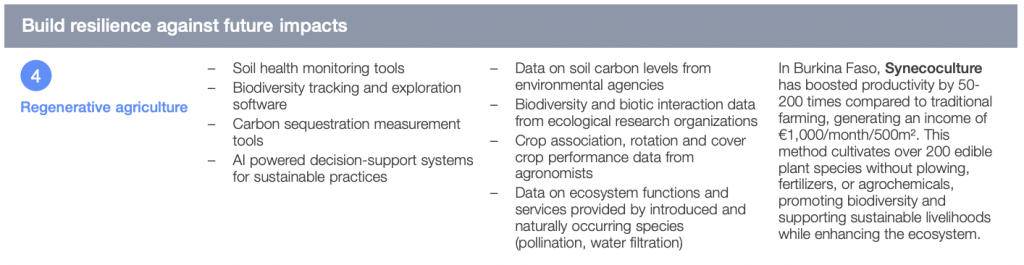
As monoculture cultivation using tillage, fertilizers, and pesticides in conventional farming methods has become a major burden on the global environment, the development of new methods of food production is an urgent issue. Synecoculture, proposed in 2011, is a comprehensive approach to solving the food-environment-health trilemma, and the number of people practicing it has been increasing in recent years. Synecoculture is characterized by the production of food through the management of the entire ecosystem by mixing and densely growing many plant species with no tillage, no fertilizers, and no chemicals. While there are examples of its practice and suggested effectiveness in developing countries where fertilizer and organic resources are scarce, there is little academic verification of its effectiveness. In this study, I examined the effectiveness of the Synecoculture method mainly by comparing the quality of its products with those of conventional farming methods, and the effectiveness of this method itself from a systems- level perspective. I will also discuss the effectiveness of verification methods based on a systems-level approach. The purpose of the research is to obtain knowledge and methodology that contributes to sustainable agricultural practices through the investigation of Synecoculture as one of the counterparts to conventional farming methods in terms of complexity.
Chapter.2 Comparison of Synecoculture products and conventional farming products
A comparison of arugula (Eruca vesicaria ssp.sativa, “ルッコラ” in Japanese) and bancha (Japanese tea) grew on a Synecoculture farm and on conventional farms was conducted. In arugula, analysis of fatty acid composition suggested that arugula grown on Synecoculture farm had more antioxidant activity. In bancha, the metabolomic analysis revealed components that characterize each farming method. Vitamin B6-related compounds were detected as components that characterize Synecoculture bancha. In addition, sensory evaluation tests of Bancha were conducted, and consistency was found between the taste evaluation and the trend inferred from its characteristic ingredients. In particular, Synecoculture Bancha was superior to conventional farming Bancha in terms of abstract taste, rather than simple tastes such as umami and sweetness. These results connect agriculture’s environmental impact with the product’s health effects and suggest the importance of examining the long-term effects of growing conditions on the environment and human health from a sustainability perspective (referred to as planetary health or one-health).
Chapter.3 The effectiveness of subjective evaluation by humans
Based on the theory of Synecoculture, I implemented Synecoculture in an urban area, analyzed the diversity and activity of soil microorganisms and soil chemistry, and conducted a subjective evaluation of the ecosystem by humans. The diversity and activity of soil microorganisms were higher after two years than after one year of implementation, confirming the effectiveness of the Synecoculture farming method in improving the soil in urban areas. Comparing these data with the subjective evaluation of the ecosystem by humans, a relationship was found between the diversity and activity of microorganisms and human evaluation two years after the practice. This result suggested that trained human subjectivity can be used as an indicator for evaluating an ecosystem.
Chapter.4 Ecosystem Navigation
Augmented ecosystems, including Synecoculture, are managed to increase biodiversity and ecosystem function while observing complex ecosystems, but to do so, it is necessary to make appropriate assessments of ecosystems and learn more about their current conditions. In this chapter, I analyzed the effects of three operations (introduction of useful species, elimination of naturally occurring species, and abandonment) on two plots in an urban area using various indices. By classifying the commonalities and uniqueness of the two farms in the analysis, I was able to extract useful evaluation indicators for a complex and open ecosystem. This suggested that with the support of big data and ICT, it is possible to evaluate complex open ecosystems in detail using less expensive analytical methods.
Chapter.5 Conclusions
In this study, I have identified what kind of analysis is effective in detecting differences in complex ecosystems such as Synecoculture at various levels of hierarchy, from differences in single components of products to differences at the system level that are derived comprehensively from multiple components of products and multiple indicators such as soil data and human subjectivity. The study clarified what types of analyses are able and effective in detecting differences in complex ecosystems such as Synecoculture farms. In particular, the effectiveness of subjective evaluation by trained people showed the possibility of using human subjective evaluation with objective data background not only for Synecoculture, but also for environmentally friendly agriculture and other farming methods. Further analysis of the relationship between scientific analysis and complex human cognition is expected to enhance the effectiveness of human evaluation in assessing sustainable agriculture and the ability of people to observe nature through feedback from objective analysis. These efforts are expected to contribute to the realization of sustainable agriculture by increasing the accuracy of system-level assessment of ecosystem functions.

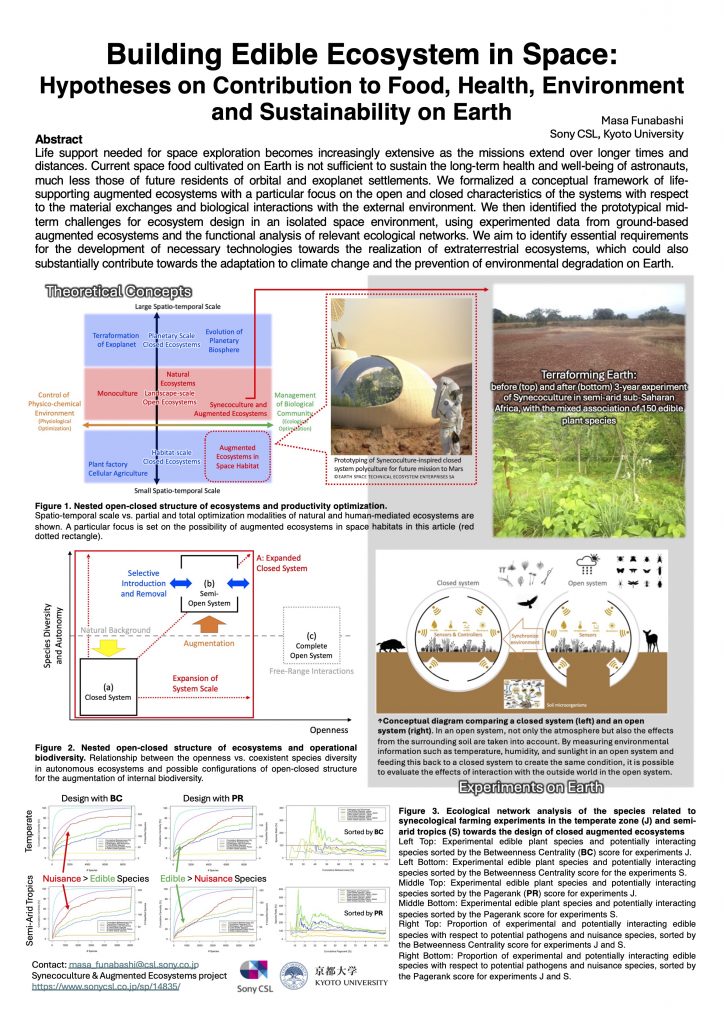
Masa Funabashi presented a poster at the International Workshop on Space Agriculture and Horticulture 2025:
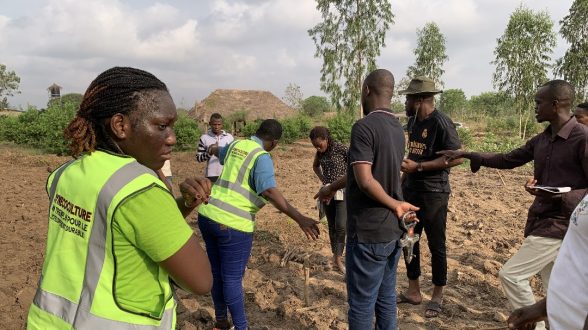
鳥取県江府町におけるシネコカルチャー実践事例が、Forbes JAPAN BrandVoice に紹介されました(2025/1/30)。